Creativity is not something we find. It is something that quietly finds us when the world leaves us with nowhere else to look.
When people ask me how long it took to create The Road to Kali, I often smile.
Some say twelve months.
Others say five years.
The truth is…
It has taken a lifetime.
This project was never simply about writing a book. It became an exploration of what is possible when the world comes to a standstill.
Like millions of people around the globe, I found myself confined within the walls of my own home during the COVID-19 lockdown. The world outside had fallen silent. Roads emptied. Businesses closed. Families were separated. The routines that had once defined our lives disappeared almost overnight.
Yet within that silence, something extraordinary happened.
Creativity began to speak.
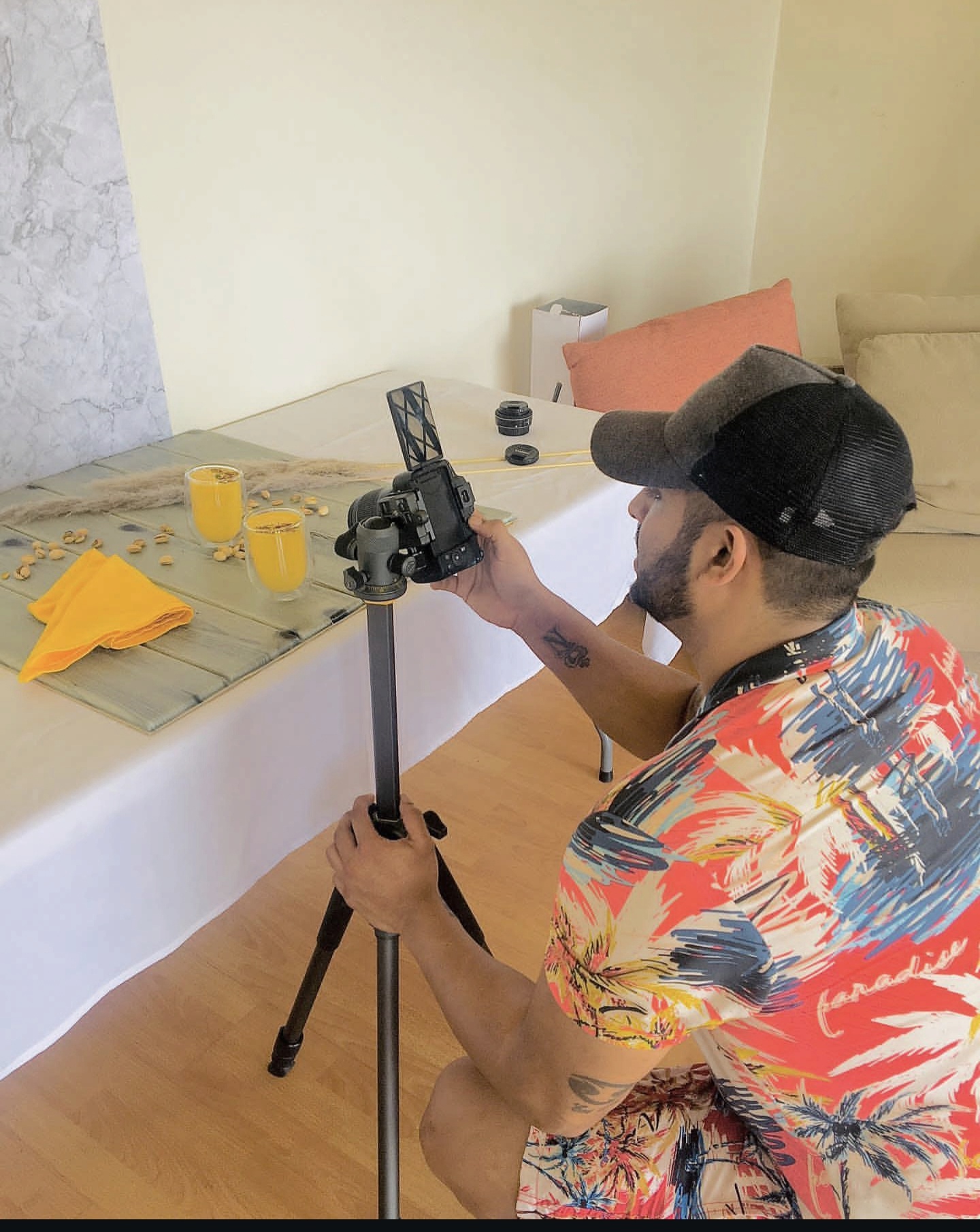
I had never set out to become a photographer, yet every image within these pages was captured by me using nothing more than what I had available at home. Every meal became a canvas. Every plate became a story. I learned lighting by chasing sunlight through windows. I transformed ordinary rooms into makeshift studios.
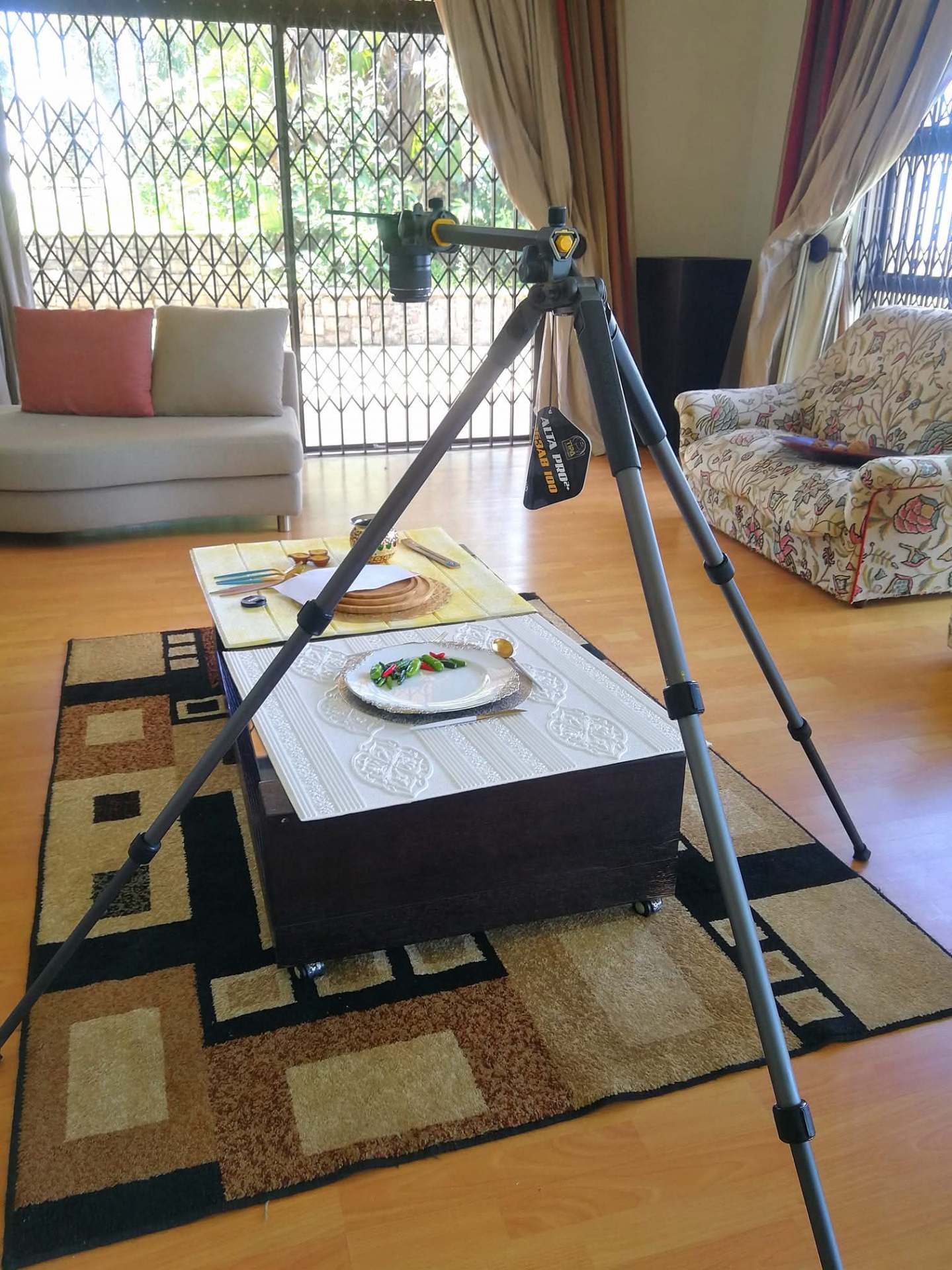
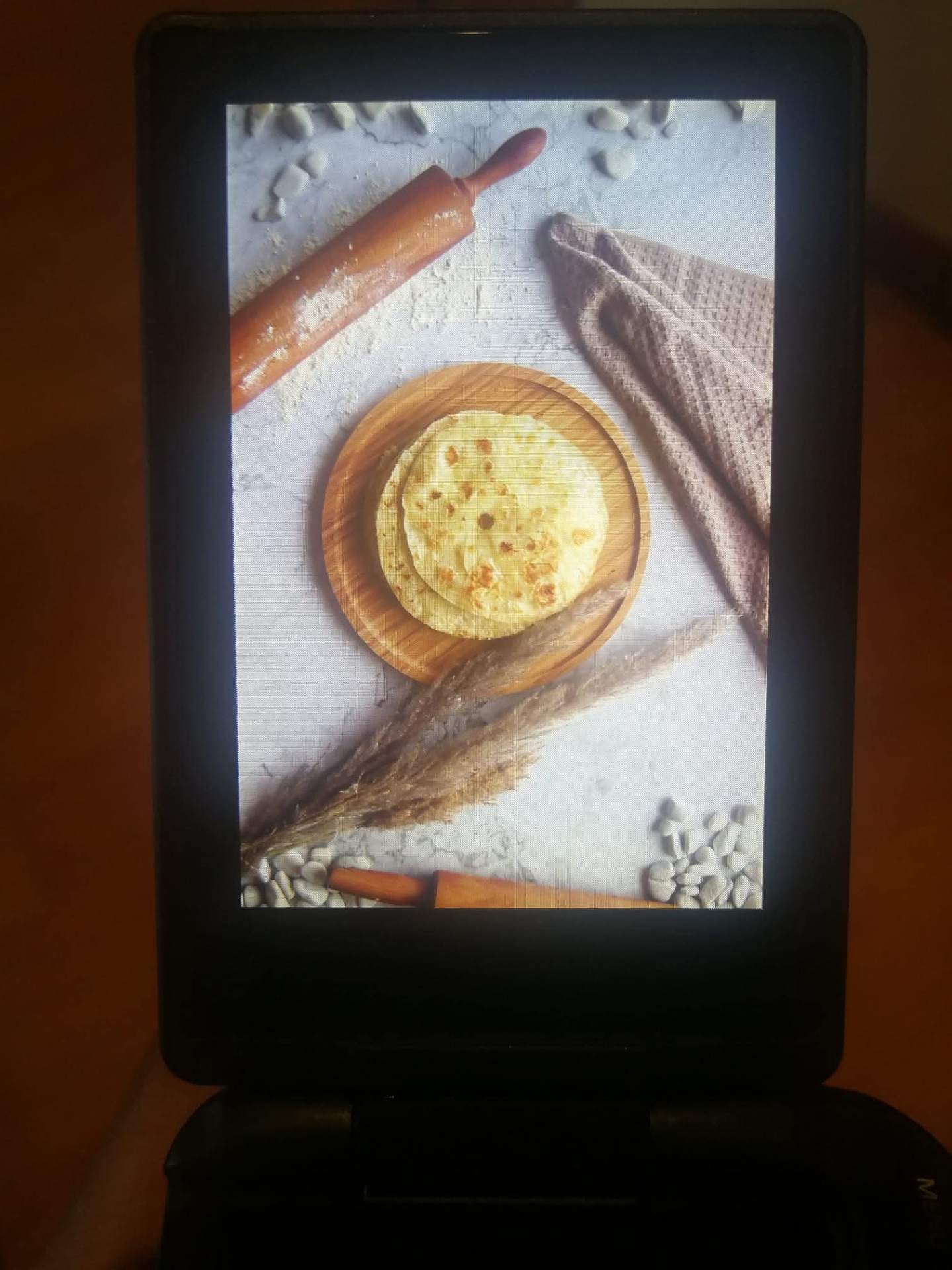
Every photograph became an experiment, another lesson, another opportunity to discover that limitations often become the birthplace of imagination.
The writing followed the same path.
What began as memories slowly became chapters.
Those chapters became stories.
Those stories eventually became something I had never intended to create — a Foodoir.
Not a cookbook.
Not a memoir.
But a conversation between memory and food.
The creative journey didn't stop there.
I designed the cover.
I designed every page.
I obsessed over typography, colour, spacing, texture and the rhythm of every chapter because I wanted readers to experience the story, not simply read it. Every decision became part of a much larger canvas.
As the manuscript grew, I realised something was still missing.
Stories have rhythm.
Memories have rhythm.
Life itself has rhythm.
So why shouldn't a book have a soundtrack?
Music has always possessed an extraordinary ability to say what words cannot. A single melody can transport us decades into the past. A familiar chord can awaken emotions we thought had long been forgotten. That became the inspiration behind creating an original musical score for The Road to Kali.
These compositions are not intended to play while you read.
They are invitations to pause.
To reflect.
To revisit the emotions of a chapter after its final page has been turned.
To allow music to continue the conversation where words quietly end.
The journey eventually extended beyond the pages themselves.
I wanted the book to continue living long after the final chapter.
That vision became this website.
Rather than simply creating a place to purchase a book, I wanted to create a place to experience it.
Wander through the gallery.
Discover the photographs behind the stories.
Revisit the places, meals and memories.
See if you can recognise the people who have quietly become part of the journey.
Share your own interpretations.
Read what others have discovered.
I also created a living blog — not simply as a place for announcements, but as an ongoing conversation. Here, readers can share memories, discuss chapters, exchange recipes, reflect on the music, ask questions and become part of the continuing story. I never wanted The Road to Kali to be a one-way conversation between author and reader. Stories become richer when they are shared, questioned and retold. In many ways, this community is the next chapter of the book, written not by me alone, but by everyone who chooses to walk this road together.
Because stories do not truly belong to the author once they are shared.
They begin to belong to everyone who reads them.
Looking back, I realise this project was never really about publishing a book.
The book became the metaphor.
The creativity became the art.
Every photograph taught me that I was capable of learning something new.
Every page reminded me that limitations are often imagined.
Every recipe became an act of preservation.
Every melody became another memory.
Every conversation became another chapter.
Every challenge became another brushstroke upon a canvas I never knew I was painting.
If there is one hope I have for everyone who visits this space, it is not simply that you enjoy The Road to Kali.
It is that you begin to wonder what masterpiece has been quietly waiting inside you all along.
Because I have come to believe something deeply.
We are all born carrying a gift.
Life rarely reveals it when everything is comfortable.
Sometimes it waits.
Patiently.
Silently.
Until our darkest hour.
And perhaps that is the greatest lesson this journey has taught me.
Not that creativity belongs to artists.
But that creativity belongs to all of us.
Sometimes…
It simply takes the darkness for us to finally see the light.
— The Road to Kali —